
On this page
multi-chain accounts and networksasset display and token identificationreceiving addresses and network matchingtransaction history and on-chain statuseveryday security checksWallet & Assets Overview: Understand how a multi-chain wallet organizes accounts, networks, asset views, transaction history and safer operations. imtoken brings together multi-chain asset management, network selection, sending and receiving, transaction history and Web3 connections. Product use is most reliable when each feature is paired with a clear verification habit.
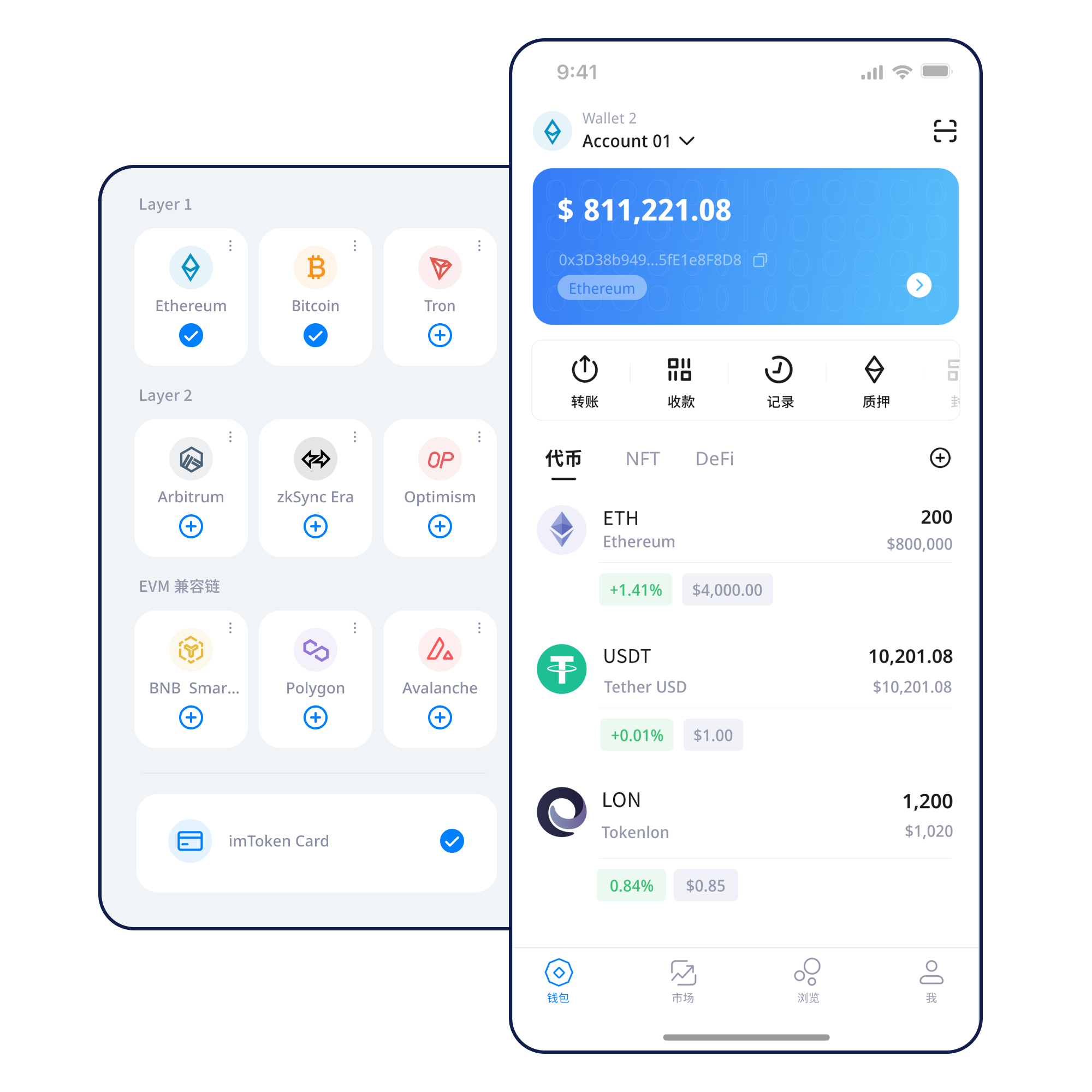
multi-chain accounts and networks
When working with multi-chain accounts and networks, place the concept back into a real transaction flow. Information on screen may come from on-chain state, local wallet records or a third-party page, so verify public details such as the network, address, transaction hash or contract before deciding what to do next.
In Wallet & Assets Overview, the section on multi-chain accounts and networks connects directly to the page’s main task. The asset list in a wallet is an organized view of on-chain information rather than a separate ledger. When a balance changes, check the active network, token contract and transaction history together so that same-named assets or network switches do not create confusion.
Within Wallet & Assets Overview, for multi-chain accounts and networks, keep the decision reversible for as long as possible: verify information first, then authorize only the minimum action needed. If the request changes the network, transfers an asset, grants spending permission or interacts with a contract, review the exact target and expected result before confirming.
In Wallet & Assets Overview, a good outcome for multi-chain accounts and networks is not simply that an interface reports success. The useful evidence is whether the expected on-chain state appears on the correct network, under the correct address or contract, and with a transaction or permission record that matches the intended action.
asset display and token identification
A common mistake with asset display and token identification is drawing a conclusion from a single field. A stronger check compares the active network, destination, asset identity and on-chain record together, especially for same-named tokens, cross-network activity or DApp interactions.
In Wallet & Assets Overview, the section on asset display and token identification connects directly to the page’s main task. The asset list in a wallet is an organized view of on-chain information rather than a separate ledger. When a balance changes, check the active network, token contract and transaction history together so that same-named assets or network switches do not create confusion.
Within Wallet & Assets Overview, for asset display and token identification, keep the decision reversible for as long as possible: verify information first, then authorize only the minimum action needed. If the request changes the network, transfers an asset, grants spending permission or interacts with a contract, review the exact target and expected result before confirming.
In Wallet & Assets Overview, a good outcome for asset display and token identification is not simply that an interface reports success. The useful evidence is whether the expected on-chain state appears on the correct network, under the correct address or contract, and with a transaction or permission record that matches the intended action.
receiving addresses and network matching
For receiving addresses and network matching, a useful review pattern is source, scope and result. Source explains where the request came from; scope shows what the action can affect; result is then checked through transaction records, block confirmations or approval state.
In Wallet & Assets Overview, the section on receiving addresses and network matching connects directly to the page’s main task. The asset list in a wallet is an organized view of on-chain information rather than a separate ledger. When a balance changes, check the active network, token contract and transaction history together so that same-named assets or network switches do not create confusion.
Within Wallet & Assets Overview, for receiving addresses and network matching, keep the decision reversible for as long as possible: verify information first, then authorize only the minimum action needed. If the request changes the network, transfers an asset, grants spending permission or interacts with a contract, review the exact target and expected result before confirming.
In Wallet & Assets Overview, a good outcome for receiving addresses and network matching is not simply that an interface reports success. The useful evidence is whether the expected on-chain state appears on the correct network, under the correct address or contract, and with a transaction or permission record that matches the intended action.
transaction history and on-chain status
transaction history and on-chain status is not only a feature label; it also has a specific risk boundary. If a page conflicts with the wallet display or the request cannot be explained clearly, stop before signing, approving or transferring and verify through trusted public information.
In Wallet & Assets Overview, the section on transaction history and on-chain status connects directly to the page’s main task. The asset list in a wallet is an organized view of on-chain information rather than a separate ledger. When a balance changes, check the active network, token contract and transaction history together so that same-named assets or network switches do not create confusion.
Within Wallet & Assets Overview, for transaction history and on-chain status, keep the decision reversible for as long as possible: verify information first, then authorize only the minimum action needed. If the request changes the network, transfers an asset, grants spending permission or interacts with a contract, review the exact target and expected result before confirming.
In Wallet & Assets Overview, a good outcome for transaction history and on-chain status is not simply that an interface reports success. The useful evidence is whether the expected on-chain state appears on the correct network, under the correct address or contract, and with a transaction or permission record that matches the intended action.
everyday security checks
After completing an action involving everyday security checks, review the outcome again. Transaction status, approval targets, network confirmations and balance changes are stronger evidence than a page-level success message alone.
In Wallet & Assets Overview, the section on everyday security checks connects directly to the page’s main task. The asset list in a wallet is an organized view of on-chain information rather than a separate ledger. When a balance changes, check the active network, token contract and transaction history together so that same-named assets or network switches do not create confusion.
Within Wallet & Assets Overview, for everyday security checks, keep the decision reversible for as long as possible: verify information first, then authorize only the minimum action needed. If the request changes the network, transfers an asset, grants spending permission or interacts with a contract, review the exact target and expected result before confirming.
In Wallet & Assets Overview, a good outcome for everyday security checks is not simply that an interface reports success. The useful evidence is whether the expected on-chain state appears on the correct network, under the correct address or contract, and with a transaction or permission record that matches the intended action.
Important risk reminder
For Wallet & Assets Overview, Remember: the user is responsible for safeguarding the seed phrase and private keys, and official staff will not ask for a seed phrase, private key or verification code. On-chain transactions generally cannot be reversed by a wallet alone, and third-party DApps or smart contracts may involve technical or fraud risks. Review the address, network, amount, approval target and permission scope before acting.